Food Culture And Culinary Traditions Today
Food is more than something you eat to survive, it is a living archive of human experience. Every region, every family, and every street corner carries its own rhythm of flavor, shaped by history, migration, and shared memory. When you start paying attention, even a simple meal begins to feel like a story unfolding on your plate.
In today’s interconnected world, food culture culinary traditions are evolving faster than ever, blending heritage with innovation as people move, trade, and share recipes across borders. What used to be deeply local is now global, yet still rooted in identity, emotion, and community memory.
Exploring Food Culture Across Different Regions
Food is never just about taste, it is a reflection of how people live, think, and connect with their surroundings. Across continents, culinary expression reveals cultural values that have been shaped over centuries, from climate and geography to belief systems and migration patterns.
This global diversity keeps reshaping food culture culinary traditions, making them a dynamic force that connects people beyond language. It also shows how local cuisine and dining habits are not random practices but deeply structured cultural behaviors passed through generations.
Why food plays an important role in society
Food acts as a social connector that brings people together in both formal and informal settings. Sociologist Claude Lévi-Strauss once noted, “Food is not only good to eat, but also good to think,” highlighting how meals reflect social structure, identity, and cultural meaning. This is where food heritage becomes more than history, it becomes lived experience.
The connection between cuisine and cultural identity
Cuisine works like a cultural signature, quietly signaling where people come from and what they value. Traditional recipes often survive migration, becoming emotional anchors for communities living far from their homeland, preserving identity through taste and memory.
Discovering unique dining traditions around the world
From Japanese tea ceremonies to Ethiopian communal platters, dining traditions reveal how societies define respect, hospitality, and togetherness. These rituals show that eating is rarely individual, it is almost always shared, symbolic, and deeply social.
Understanding Culinary Traditions Through History
To understand modern food systems, you have to look backward. Culinary traditions are built on centuries of adaptation, shaped by trade routes, cultural exchanges, and historical disruptions that permanently altered what people eat today.
As food culture culinary traditions developed over time, they absorbed influences from migration, colonization, and commerce, creating layered identities in every regional dish. This evolution is why local cuisine often carries unexpected global traces within it.
How traditional recipes are passed between generations
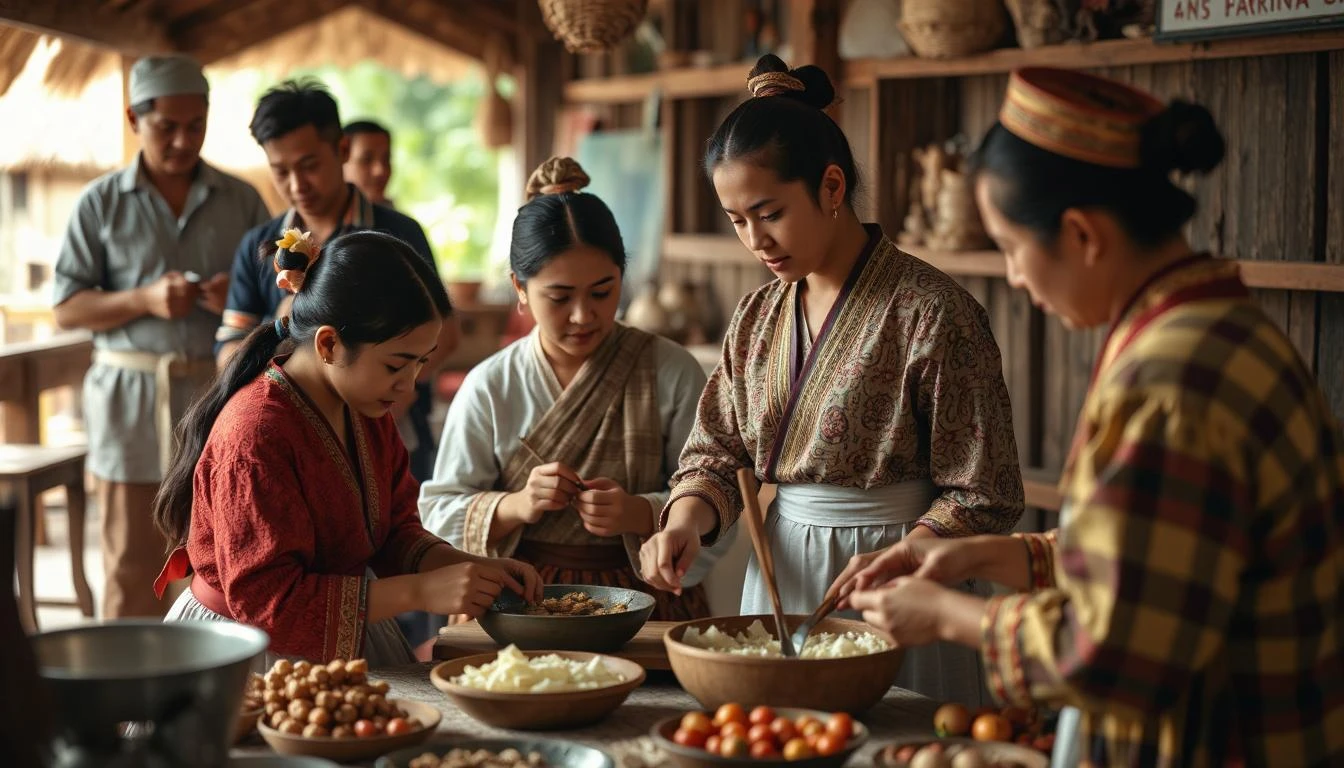
Many recipes survive not through books, but through repetition in family kitchens. A grandmother guiding a child, a parent adjusting seasoning by instinct, these moments preserve food heritage in its most authentic form.
The role of local ingredients in food culture
Ingredients define culinary identity. What grows naturally in a region shapes not only recipes but also eating patterns, preservation techniques, and seasonal traditions that evolve over generations.
Exploring regional influences on culinary practices
Global trade has always influenced cuisine, from ancient spice routes to modern supply chains. Today, digital globalization accelerates this exchange, allowing culinary ideas to travel instantly across continents.
Appreciating Modern And Traditional Food Experiences
Modern dining sits at the intersection of tradition and innovation. While ancient recipes continue to hold cultural significance, new cooking technologies and global food trends are reshaping how people experience meals.
This balance keeps food culture culinary traditions alive while adapting them to contemporary lifestyles, where convenience, creativity, and cultural curiosity all collide. Meanwhile, evolving dining habits reflect how urban life influences what and how people eat.
Balancing tradition with changing food trends
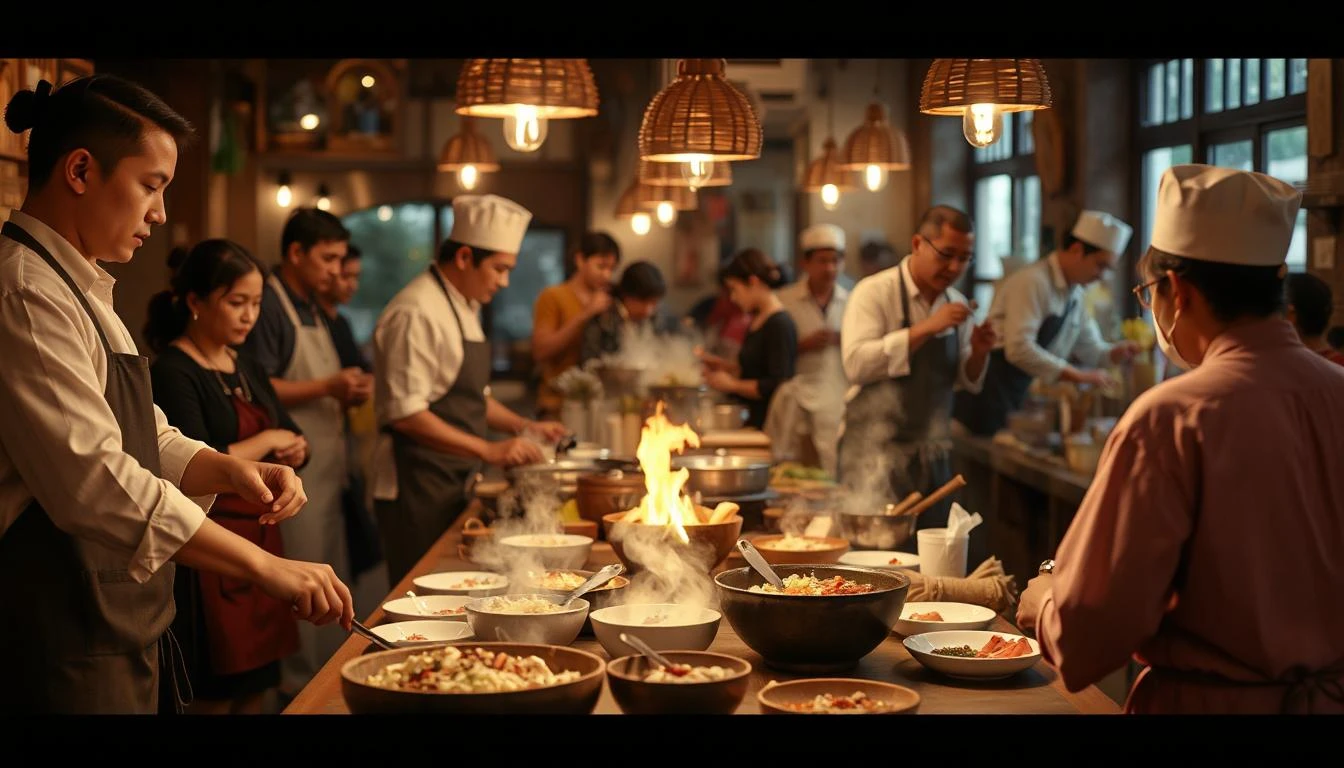
Chefs today often reinterpret traditional dishes, maintaining core flavors while experimenting with presentation and technique. This fusion keeps heritage relevant in a fast-changing food landscape.
Discovering cultural stories through cuisine
Every dish carries hidden narratives, of migration, survival, celebration, or adaptation. Food becomes a storytelling medium that connects past and present in a tangible, sensory way.
Understanding the social value of shared meals
Shared meals build trust and emotional connection. Whether in families, communities, or business settings, eating together strengthens relationships and reinforces cultural belonging.
Explore Food Culture And Culinary Heritage
Global food systems are becoming increasingly interconnected, yet deeply personal at the same time. The rise of digital marketplaces and international culinary platforms has made ingredients, recipes, and cooking knowledge more accessible than ever before.
At the same time, experts continue to emphasize the importance of preserving authenticity. As food historian Rachel Laudan once said, “Cuisine is history on a plate,” reminding us that every dish reflects cultural evolution. This perspective reinforces how food culture culinary traditions continue to shape identity in a globalized world.
Today, platforms like Amazon and Alibaba play a major role in connecting consumers to global ingredients, further accelerating culinary exchange across borders.